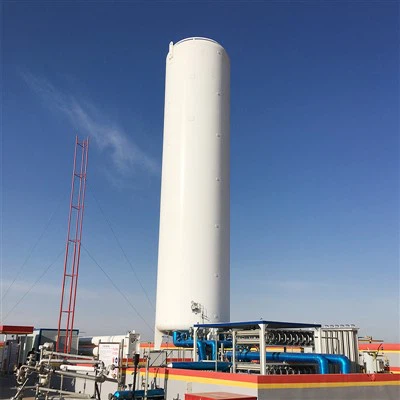
As a trusted LNG dispenser supplier in the industry, we understand the paramount importance of shock - proof measures for LNG dispensers. LNG, or liquefied natural gas, is a widely used fuel due to its clean - burning properties and high energy density. However, LNG dispensers are often subject to various forms of shock during their operation, such as mechanical vibrations, sudden impacts, and jolts. Improper handling of these shocks can lead to dispenser malfunction, leakage, and even potential safety hazards. In this blog, we will explore the key shock - proof measures for LNG dispensers.
1. Structural Design
One of the most fundamental shock - proof measures starts with the dispenser's structural design. A well - designed LNG dispenser should have a robust and rigid frame that can withstand external forces. We use high - quality materials in the construction of our dispenser frames, such as stainless steel or durable alloys. These materials offer excellent strength - to - weight ratios, meaning they can resist shocks without adding excessive weight to the dispenser.
The internal components of the dispenser are also carefully arranged. We ensure that all sensitive parts, like flow meters, valves, and electronic control units, are properly secured within the dispenser. By using vibration - isolating mounts and brackets, we can minimize the transfer of shocks from the outer frame to these critical components. For example, rubber or silicone mounts can be used to absorb and dampen vibrations, protecting the delicate electronics from damage.
2. Shock - Absorbing Materials
In addition to the structural design, the use of shock - absorbing materials is crucial. We incorporate various shock - absorbing materials throughout the LNG dispenser. Inside the dispenser cabinet, we use foam padding to protect the internal components. This foam can absorb the energy from minor impacts and vibrations, preventing them from causing damage to the equipment.
For hoses and connectors, we choose materials with good flexibility and shock - resistance. High - quality rubber hoses are often used as they can bend and stretch without breaking under normal operating conditions. Moreover, these hoses are designed to withstand sudden pressure changes, which can sometimes occur during the filling process and cause shockwaves.
3. Installation and Mounting
Proper installation and mounting of the LNG dispenser are essential shock - proof measures. When installing the dispenser, we ensure that it is placed on a stable and level surface. A solid foundation can prevent the dispenser from shaking or moving during operation. We also use appropriate mounting hardware, such as bolts and brackets, to firmly attach the dispenser to the ground or a wall.
During the installation process, we pay special attention to the alignment of all components. Misaligned components can increase the stress on the dispenser and make it more vulnerable to shocks. We use precision tools to ensure that everything is installed correctly, from the pump to the nozzle.
4. Regular Maintenance and Inspection
Regular maintenance and inspection play a vital role in maintaining the shock - proof performance of LNG dispensers. We recommend a comprehensive maintenance schedule that includes checking all the shock - absorbing components, such as mounts, pads, and hoses. Over time, these components can wear out or lose their effectiveness, reducing the dispenser's ability to withstand shocks.
During inspections, we also look for any signs of structural damage, such as cracks or loose connections. These issues can compromise the integrity of the dispenser and increase the risk of failure. If any problems are detected, we can quickly replace the damaged parts or make necessary repairs to ensure the dispenser continues to operate safely and efficiently.


5. Advanced Sensor Technology
To further enhance the shock - proof capabilities of our LNG dispensers, we incorporate advanced sensor technology. These sensors can detect abnormal vibrations or shocks in real - time. For example, accelerometers can be installed on the dispenser to monitor its motion. If the sensor detects a sudden and excessive shock, it can immediately trigger an alarm or shut down the dispenser to prevent further damage.
The data collected from these sensors can also be analyzed to identify potential issues before they become serious problems. By using predictive maintenance techniques, we can proactively replace components that are likely to fail due to shock - related wear and tear, reducing the risk of unexpected breakdowns.
6. Compatibility with Other LNG Station Equipment
LNG dispensers are usually part of a larger LNG station system. Ensuring compatibility with other equipment, such as LNG Pump Skid, is crucial for shock - proof performance. The dispenser should be able to work in harmony with the pump skid, which is responsible for transferring LNG from the storage tank to the dispenser.
When the pump skid operates, it generates vibrations and pressure changes. Our LNG dispensers are designed to be compatible with a wide range of pump skids, ensuring that the shocks generated by the pump skid do not cause any problems for the dispenser. Similarly, when integrated into an LNG Filling Station or an LNG All - in - one Filling Station, the dispenser should be able to withstand the overall operating environment of the station, including any shocks or vibrations from other equipment.
Conclusion
In conclusion, shock - proof measures for LNG dispensers are multi - faceted and involve various aspects, from structural design and the use of shock - absorbing materials to installation, maintenance, and advanced sensor technology. As a reliable LNG dispenser supplier, we are committed to providing high - quality dispensers that can withstand the rigors of daily use and ensure the safety and efficiency of LNG filling operations.
If you are in the market for LNG dispensers or have any questions about our shock - proof solutions, we encourage you to contact us for further discussion. Our team of experts is ready to assist you in finding the best LNG dispenser for your needs.
References
- [Author, Book Title, Publisher, Publication Year]
- [Author, Journal Article Title, Journal Name, Volume, Issue, Pages, Publication Year]
- [Author, Report Title, Report Number, Organization, Publication Year]