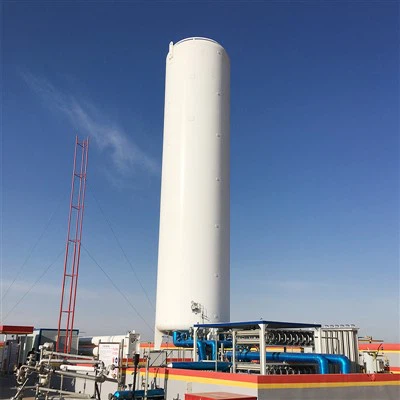
Maintaining an LNG fueling pump skid is a critical task that ensures the efficient, safe, and reliable operation of your LNG refueling infrastructure. As a trusted LNG fueling pump skid supplier, I understand the importance of proper maintenance. In this blog, I will share some essential tips on how to maintain an LNG fueling pump skid.
Understanding the LNG Fueling Pump Skid
Before delving into maintenance, it's crucial to have a basic understanding of what an LNG fueling pump skid is. An LNG fueling pump skid is a pre - assembled unit that contains all the necessary components for transferring liquefied natural gas (LNG) from a storage tank to a vehicle or other equipment. It typically includes pumps, valves, meters, and control systems.
Regular Inspections
Visual Inspections
Visual inspections should be conducted on a daily or weekly basis, depending on the usage frequency of the pump skid. Check for any signs of physical damage, such as cracks, leaks, or loose connections. Inspect the pump casing, valves, and pipes for any visible wear and tear. Look for signs of frost or ice formation, which could indicate a leak in the cryogenic system.
Component Inspections
Inspect the key components of the pump skid, including the pumps, motors, and valves. Check the pump seals for any signs of leakage. A leaking seal can not only lead to LNG loss but also pose a safety hazard. Examine the motor for any abnormal vibrations or noises, which could be a sign of mechanical problems. Test the valves to ensure they are opening and closing properly.
Cleaning and Lubrication
Cleaning
Keep the pump skid clean to prevent the accumulation of dirt, dust, and debris. Use a non - abrasive cleaner to clean the exterior surfaces of the pump skid. For the internal components, follow the manufacturer's guidelines for cleaning. Remove any contaminants that could potentially damage the components or affect their performance.
Lubrication
Proper lubrication is essential for the smooth operation of the moving parts in the pump skid. Refer to the equipment manual to determine the appropriate lubricants and lubrication intervals. Over - lubrication can be as harmful as under - lubrication, so it's important to apply the right amount of lubricant.

Calibration and Testing
Meter Calibration
Regularly calibrate the flow meters in the pump skid to ensure accurate measurement of the LNG dispensed. Inaccurate meters can lead to billing disputes and may also affect the overall efficiency of the refueling process. Follow the calibration procedures recommended by the meter manufacturer.
System Testing
Conduct periodic system tests to verify the performance of the pump skid. This includes testing the pump's flow rate, pressure, and temperature. Check the control systems to ensure they are functioning correctly. Perform leak tests using appropriate methods, such as pressure decay tests or helium leak detection.
Training and Documentation
Operator Training
Ensure that all operators are properly trained in the operation and maintenance of the LNG fueling pump skid. Training should cover safety procedures, emergency response, and routine maintenance tasks. Well - trained operators are more likely to detect and address potential problems early, reducing the risk of equipment failure.
Documentation
Maintain detailed documentation of all maintenance activities, including inspection reports, calibration records, and repair history. This documentation can be valuable for troubleshooting, warranty claims, and regulatory compliance. It also provides a historical record of the pump skid's performance over time.
Safety Considerations
Personal Protective Equipment (PPE)
When performing maintenance on the LNG fueling pump skid, operators must wear appropriate PPE, such as cryogenic gloves, safety glasses, and protective clothing. LNG is extremely cold and can cause severe frostbite if it comes into contact with the skin.
Ventilation
Ensure that the maintenance area is well - ventilated to prevent the accumulation of LNG vapors. LNG vapors are flammable and can form explosive mixtures in the air. Use ventilation systems or natural ventilation to keep the vapor concentration below the lower explosive limit.
Parts Replacement
Wear Parts
Identify the wear parts in the pump skid, such as gaskets, seals, and filters, and replace them at the recommended intervals. Worn - out parts can lead to leaks, reduced performance, and increased energy consumption. Keep a stock of critical wear parts to minimize downtime in case of a failure.
Upgrades
Consider upgrading the pump skid components as new technologies become available. Upgrades can improve the efficiency, reliability, and safety of the pump skid. For example, upgrading to a more energy - efficient pump can reduce operating costs in the long run.
Integration with Other LNG Equipment
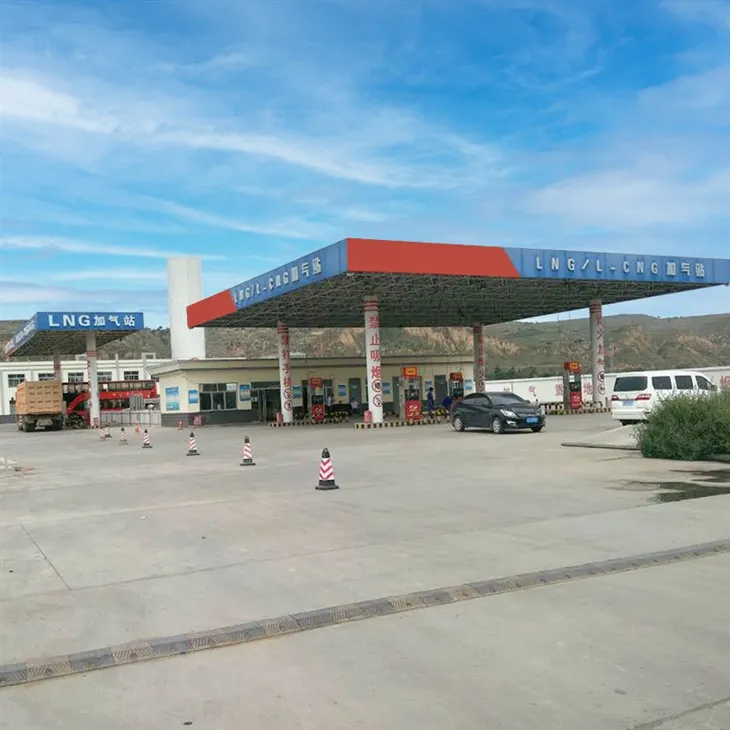
The LNG fueling pump skid is often part of a larger LNG refueling system, which may include a Compact LNG Refueling Station, LNG Dispenser, or Containerized LNG Refueling Station. Ensure that the pump skid is properly integrated with these other components. Check the compatibility of the control systems, piping connections, and communication protocols.
Monitoring and Remote Diagnostics
Implement a monitoring system to continuously track the performance of the LNG fueling pump skid. Remote diagnostics can allow you to detect potential problems early and take proactive measures. Some modern pump skids are equipped with sensors that can transmit data on temperature, pressure, and flow rate to a central monitoring station.
Regulatory Compliance
Stay informed about the relevant regulations and standards for LNG fueling pump skids. Comply with all local, national, and international regulations regarding safety, environmental protection, and equipment performance. Regularly review and update your maintenance procedures to ensure compliance.
Conclusion
Maintaining an LNG fueling pump skid is a complex but essential task. By following the tips outlined in this blog, you can ensure the long - term reliability and safety of your LNG refueling infrastructure. As a leading LNG fueling pump skid supplier, we are committed to providing high - quality products and comprehensive support. If you are interested in purchasing an LNG fueling pump skid or have any questions about maintenance, please feel free to contact us for further discussion and procurement negotiations.
References
- Manufacturer's manuals for LNG fueling pump skids
- Industry standards and regulations for LNG equipment
- Technical papers on LNG refueling system maintenance