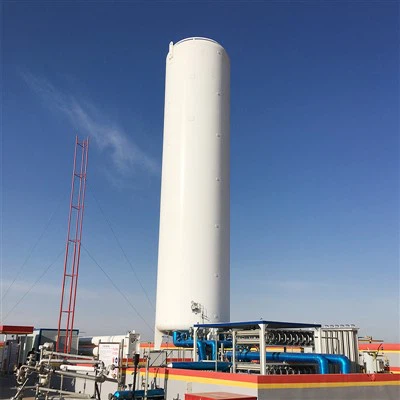
In the realm of compressed natural gas (CNG) stations, ensuring the efficient operation of a CNG drier is of paramount importance. As a reputable CNG Drier supplier, I understand the significance of remote monitoring in maintaining the optimal performance of these critical components. In this blog post, I will delve into the various aspects of remotely monitoring a CNG drier, including the benefits, the key parameters to monitor, and the technologies involved.
Benefits of Remote Monitoring
Remote monitoring offers a multitude of advantages for CNG drier operators. Firstly, it allows for real - time visibility into the drier's operation. Instead of relying on periodic on - site inspections, operators can access up - to - the - minute data on the drier's status from anywhere in the world. This enables quick response to any potential issues, reducing downtime and preventing costly breakdowns.
Secondly, remote monitoring enhances safety. By continuously monitoring key parameters, operators can detect abnormal conditions such as overheating or pressure spikes early on. This early detection can prevent dangerous situations, protecting both the equipment and the personnel working at the CNG station.
Another significant benefit is the ability to optimize the drier's performance. Through data analysis, operators can identify trends and patterns in the drier's operation. This information can be used to adjust operating parameters, such as regeneration cycles, to improve efficiency and reduce energy consumption.
Key Parameters to Monitor
When remotely monitoring a CNG drier, several key parameters should be closely watched.


Pressure
The pressure within the drier is a crucial parameter. Fluctuations in pressure can indicate problems such as blockages in the system or leaks. Monitoring the inlet and outlet pressures can help operators determine if the drier is operating within the normal range. If the pressure drops unexpectedly, it could mean that there is a leak in the system, which needs to be addressed immediately. On the other hand, a sudden increase in pressure may suggest a blockage, which can lead to over - pressurization and potential damage to the drier.
Temperature
Temperature is another vital parameter. The temperature of the adsorbent beds during the regeneration process affects the efficiency of the drying operation. If the temperature is too low, the adsorbent may not be fully regenerated, leading to reduced drying capacity. Conversely, if the temperature is too high, it can damage the adsorbent material. Monitoring the temperature at different points in the drier, such as the inlet and outlet of the adsorbent beds, can help ensure that the regeneration process is carried out correctly.
Moisture Content
The primary function of a CNG drier is to remove moisture from the compressed natural gas. Therefore, monitoring the moisture content of the gas at the outlet of the drier is essential. High moisture content can cause corrosion in downstream equipment, such as CNG Dispenser and CNG Filling Post, and can also affect the performance of the CNG engines. By continuously monitoring the moisture content, operators can determine if the drier is functioning effectively and make adjustments if necessary.
Operational Time
Keeping track of the operational time of the drier, including the time spent in different modes such as adsorption and regeneration, can provide valuable insights. For example, if the regeneration time is consistently longer than normal, it may indicate a problem with the regeneration system, such as a faulty heater or a blocked air vent. Monitoring the operational time can also help in scheduling maintenance activities, ensuring that the drier is serviced at the appropriate intervals.
Technologies for Remote Monitoring
There are several technologies available for remotely monitoring a CNG drier.
Sensors
Sensors play a crucial role in remote monitoring. Pressure sensors can be installed at the inlet and outlet of the drier to measure the pressure. Temperature sensors can be placed at various points in the drier, especially within the adsorbent beds, to monitor the temperature. Moisture sensors can be used to measure the moisture content of the gas at the outlet. These sensors collect data and transmit it to a central monitoring system.
Data Loggers
Data loggers are used to record the data collected by the sensors. They can store data over a long period, allowing operators to analyze trends and patterns. Data loggers can be programmed to send alerts when certain parameters exceed predefined thresholds. For example, if the pressure in the drier exceeds a safe limit, the data logger can send an alert to the operator's mobile device or email.
Communication Systems
To transmit the data from the data loggers to the central monitoring system, communication systems are required. There are several options available, including wired and wireless communication. Wired communication, such as Ethernet or RS - 485, offers a reliable connection but may be limited by the distance and the need for physical cabling. Wireless communication, such as Wi - Fi, cellular networks, or satellite communication, provides more flexibility and can be used in remote locations.
Central Monitoring System
The central monitoring system is the heart of the remote monitoring setup. It receives the data from the data loggers and displays it in a user - friendly interface. Operators can access the central monitoring system from their computers, tablets, or smartphones. The system can provide real - time data, historical data analysis, and generate reports. It can also be integrated with other systems, such as the CNG station's control system, to enable automated responses to abnormal conditions.
Implementing a Remote Monitoring System
Implementing a remote monitoring system for a CNG drier requires careful planning.
System Design
The first step is to design the system. This involves determining the number and type of sensors required, the location of the sensors, and the communication method. The system should be designed to meet the specific needs of the CNG station and the drier. For example, if the CNG station is located in a remote area, a wireless communication system may be more suitable.
Installation
Once the system is designed, the sensors and data loggers need to be installed. This should be done by trained technicians to ensure that the sensors are installed correctly and that the communication system is working properly. During the installation process, it is important to test the sensors and the communication system to ensure that they are functioning as expected.
Configuration and Calibration
After installation, the sensors need to be calibrated to ensure accurate measurements. The data loggers and the central monitoring system need to be configured to collect and display the data correctly. This includes setting the appropriate thresholds for alerts and configuring the reporting functions.
Training
Operators and maintenance personnel need to be trained on how to use the remote monitoring system. They should be familiar with the interface, how to access the data, and how to respond to alerts. Training should also cover basic troubleshooting procedures in case of system failures.
Conclusion
Remote monitoring of a CNG drier is an essential part of ensuring the efficient and safe operation of a CNG station. By monitoring key parameters such as pressure, temperature, moisture content, and operational time, operators can detect potential problems early, optimize performance, and reduce downtime. With the advancements in sensor technology, data logging, and communication systems, remote monitoring has become more accessible and reliable.
As a CNG Drier supplier, I am committed to providing high - quality driers and comprehensive remote monitoring solutions. If you are interested in improving the performance of your CNG drier through remote monitoring or are looking to purchase a new CNG drier, I encourage you to contact us for a detailed discussion and procurement negotiation. We have the expertise and experience to help you find the best solution for your specific needs.
References
- "Compressed Natural Gas (CNG) Vehicle Refueling Station Handbook", U.S. Department of Energy
- "Principles of Adsorption and Adsorption Processes", D. M. Ruthven
- "Industrial Drying Handbook", Arun S. Mujumdar