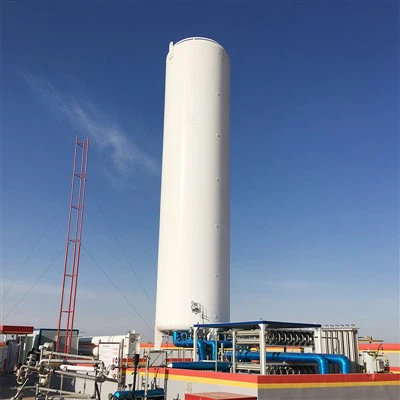
In the realm of modern energy solutions, CCUS (Carbon Capture, Utilization, and Storage) Energy Stations stand as a beacon of innovation, addressing the dual challenges of energy production and carbon emissions reduction. As a trusted CCUS Energy Station supplier, I've witnessed firsthand the importance of effective emergency handling in these facilities. This blog delves into the comprehensive strategies and protocols that a CCUS Energy Station employs to manage emergencies, ensuring the safety of personnel, the environment, and the continuous operation of the station.
Understanding the Risks in a CCUS Energy Station
Before discussing emergency handling, it's crucial to understand the potential risks associated with a CCUS Energy Station. These facilities deal with high - pressure gases, complex chemical processes, and large - scale carbon capture and storage operations. Some of the primary risks include:
- Leakage of Carbon Dioxide (CO₂): CO₂ is the main component captured and stored in a CCUS Energy Station. A large - scale CO₂ leak can displace oxygen in the surrounding area, posing a significant asphyxiation risk to personnel. It can also have environmental impacts, such as acidifying water bodies if it leaks into groundwater or surface water.
- Chemical Spills: The processes involved in carbon capture often use various chemicals. Spills of these chemicals can cause skin and eye irritation, respiratory problems, and environmental contamination.
- Fire and Explosion: The presence of flammable gases and high - energy equipment in the station creates a risk of fire and explosion. This can be triggered by electrical malfunctions, improper handling of fuels, or mechanical failures.
- Equipment Failure: Given the complexity of the machinery and systems in a CCUS Energy Station, equipment failure is a common risk. This can disrupt the normal operation of the station and, in some cases, lead to more severe emergencies.
Emergency Response Planning
An effective emergency response plan is the cornerstone of any CCUS Energy Station's emergency management strategy. This plan should be comprehensive, covering all possible emergency scenarios and outlining clear procedures for response.
- Risk Assessment and Scenario Planning: The first step in creating an emergency response plan is to conduct a thorough risk assessment. This involves identifying all potential hazards and developing emergency scenarios based on these risks. For example, a scenario could be a major CO₂ leak from a storage tank. Once the scenarios are defined, response procedures can be developed for each one.
- Emergency Response Teams: A CCUS Energy Station should have dedicated emergency response teams. These teams are trained to handle different types of emergencies, including fire - fighting, chemical spill containment, and medical emergencies. The teams should be equipped with the necessary tools and protective gear, such as fire extinguishers, gas detectors, and chemical - resistant suits.
- Communication Protocols: Clear communication is essential during an emergency. The station should have a well - defined communication system that allows for rapid dissemination of information among employees, emergency responders, and relevant external parties. This may include alarm systems, public address systems, and communication devices such as radios.
Detection and Monitoring Systems
Early detection of potential emergencies is crucial for minimizing their impact. CCUS Energy Stations are equipped with a variety of detection and monitoring systems.
- Gas Detection Systems: These systems are designed to detect the presence of CO₂ and other gases in the air. They are installed in key areas of the station, such as storage tanks, pipelines, and processing areas. When a gas leak is detected, the system can trigger an alarm and send a signal to the control room, allowing for immediate action.
- Temperature and Pressure Sensors: Monitoring temperature and pressure is essential in a CCUS Energy Station. Abnormal temperature or pressure readings can indicate a potential problem, such as a blockage in a pipeline or a malfunctioning compressor. These sensors are connected to the station's control system, which can automatically shut down the affected equipment if necessary.
- Video Surveillance: Video cameras are installed throughout the station to provide real - time monitoring of the facility. This allows operators to detect any unusual activities or signs of an emergency, such as a fire or a chemical spill.
Emergency Response Procedures
Once an emergency is detected, the station's emergency response procedures are put into action.
- Evacuation: In the event of a major emergency, such as a fire or a large - scale CO₂ leak, evacuation is often the first step. The station should have clearly marked evacuation routes and assembly points. Employees are trained to follow these routes and gather at the assembly points for a headcount.
- Containment and Mitigation: For chemical spills and gas leaks, the emergency response teams will attempt to contain the source of the problem. This may involve shutting off valves, using absorbent materials to soak up spills, or using ventilation systems to disperse gases. In the case of a fire, the teams will use fire - fighting equipment to extinguish the flames.
- Shutdown and Isolation: If necessary, the station's control system can shut down certain equipment or sections of the facility to prevent the spread of the emergency. This may involve isolating pipelines, shutting off power supplies, or stopping the flow of chemicals.
Training and Drills
Regular training and drills are essential to ensure that employees are prepared to respond to emergencies effectively.
- Initial Training: All new employees should receive comprehensive training on the station's emergency response plan, safety procedures, and the use of emergency equipment. This training should include both theoretical knowledge and practical hands - on exercises.
- Refresher Training: Existing employees should undergo regular refresher training to keep their skills and knowledge up - to - date. This training can be conducted annually or more frequently, depending on the nature of the work and the risk level.
- Emergency Drills: The station should conduct regular emergency drills to simulate real - life emergency scenarios. These drills help employees practice their response procedures and identify any areas that need improvement. Drills can be conducted quarterly or semi - annually.
Post - Emergency Recovery
After an emergency has been resolved, the station needs to focus on recovery and restoration.


- Damage Assessment: A thorough damage assessment is conducted to determine the extent of the damage to the station's equipment, infrastructure, and the environment. This assessment will guide the recovery process.
- Repair and Restoration: Once the damage has been assessed, the necessary repairs and restoration work can begin. This may involve replacing damaged equipment, cleaning up chemical spills, and restoring the normal operation of the station.
- Root Cause Analysis: To prevent similar emergencies from occurring in the future, a root cause analysis is conducted. This involves identifying the underlying causes of the emergency and implementing corrective actions to address these issues.
The Role of Technology in Emergency Handling
Advancements in technology are playing an increasingly important role in emergency handling at CCUS Energy Stations.
- Automation and Remote Monitoring: Many modern CCUS Energy Stations are equipped with automated systems that can detect and respond to emergencies without human intervention. Remote monitoring allows operators to monitor the station's status from a central control room, even if they are not on - site.
- Predictive Analytics: Predictive analytics uses historical data and machine learning algorithms to predict potential emergencies before they occur. This allows for proactive maintenance and preventive measures to be taken.
Conclusion
As a CCUS Energy Station supplier, I understand the critical importance of effective emergency handling in these facilities. By implementing comprehensive emergency response plans, investing in detection and monitoring systems, providing regular training, and leveraging the latest technology, CCUS Energy Stations can minimize the impact of emergencies and ensure the safety of their personnel and the environment.
If you are interested in learning more about our CCUS Energy Station solutions or have any questions regarding emergency handling in these facilities, we encourage you to reach out to us for a detailed discussion. Our team of experts is ready to assist you in finding the best solutions for your energy needs. We also offer related products such as the Biomass Natural Gas Hydrogen Production Machine and CNG Filling Post that can complement your CCUS Energy Station. Contact us today to start the procurement and negotiation process.
References
- International Energy Agency. (2020). Carbon Capture, Utilization and Storage: A Key Technology for a Low - Carbon Future.
- Occupational Safety and Health Administration. (2019). Guidelines for Emergency Response Planning in Industrial Facilities.
- World Bank. (2018). Carbon Capture and Storage: Challenges and Opportunities.