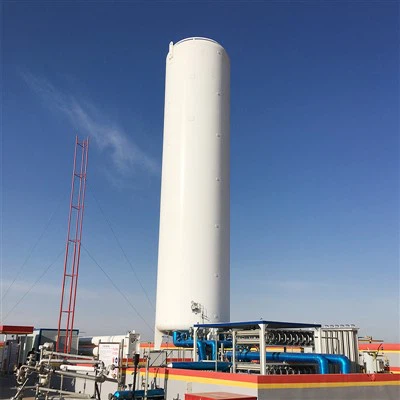
The lifespan of a Compressed Natural Gas (CNG) dispenser is a critical consideration for both CNG station operators and suppliers like us. Understanding this lifespan helps in making informed decisions regarding investment, maintenance, and overall station management. In this blog, we'll delve into the factors that influence the lifespan of a CNG dispenser, typical lifespan expectations, and how to maximize its longevity.
Factors Influencing the Lifespan of a CNG Dispenser
1. Quality of Manufacturing
The quality of materials and manufacturing processes used in a CNG dispenser significantly impacts its lifespan. High - quality components, such as durable hoses, reliable flow meters, and well - engineered valves, are more likely to withstand the rigors of continuous use. At our company, we take pride in using only the best materials and adhering to strict manufacturing standards. We source components from trusted suppliers and subject each dispenser to rigorous quality control checks before it leaves our facility.
2. Frequency of Use
The more frequently a CNG dispenser is used, the greater the wear and tear on its components. A dispenser at a high - traffic CNG station that operates 24/7 will experience more stress compared to one at a low - volume station. For example, the flow meters and valves are constantly in use, and over time, the internal mechanisms can wear out. Regular maintenance can help mitigate the effects of frequent use, but it's still an important factor to consider.
3. Operating Conditions
The environment in which a CNG dispenser operates can have a major impact on its lifespan. Extreme temperatures, humidity, and exposure to corrosive substances can all cause damage. In hot and dry climates, the seals in the dispenser may dry out and crack, leading to leaks. In coastal areas, the salt in the air can corrode metal components. Our dispensers are designed to be robust and can withstand a wide range of operating conditions, but proper installation and protection are still necessary.
4. Maintenance and Service
Regular maintenance is crucial for extending the lifespan of a CNG dispenser. This includes tasks such as cleaning, lubricating moving parts, checking for leaks, and calibrating the flow meters. A well - maintained dispenser is less likely to experience breakdowns and will operate more efficiently. We provide comprehensive maintenance guidelines to our customers and also offer maintenance services. Our team of experts can perform routine inspections and address any issues promptly.
Typical Lifespan of a CNG Dispenser
On average, a well - maintained CNG dispenser can have a lifespan of 10 to 15 years. However, this can vary depending on the factors mentioned above. Some dispensers may last longer if they are used infrequently and are in a favorable operating environment, while others may need to be replaced earlier if they are subject to harsh conditions or heavy use.
It's important to note that even within the lifespan of a dispenser, certain components may need to be replaced. For example, the hoses may need to be replaced every few years due to wear and tear, and the flow meters may require calibration or replacement after a certain number of operating hours.
Maximizing the Lifespan of a CNG Dispenser
1. Proper Installation
The first step in maximizing the lifespan of a CNG dispenser is proper installation. It should be installed in a location that is protected from the elements and has adequate ventilation. The dispenser should be level and securely mounted to prevent any movement during operation. Our installation team has extensive experience and follows strict installation procedures to ensure that the dispenser is installed correctly.
2. Regular Maintenance
As mentioned earlier, regular maintenance is key. We recommend a comprehensive maintenance schedule that includes daily, weekly, monthly, and annual checks. Daily checks can include visual inspections for leaks and damage, while monthly checks may involve more in - depth inspections of the internal components. Annual maintenance should include a full service and calibration of the dispenser.
3. Operator Training
Proper training of the station operators is also important. Operators should be trained on how to use the dispenser correctly, how to perform basic maintenance tasks, and how to identify potential problems. This can help prevent damage to the dispenser caused by improper use.
4. Upgrades and Retrofits
Over time, technology advances, and it may be beneficial to upgrade or retrofit the dispenser. This can include installing new software for better control and monitoring, or upgrading the components to improve performance. We offer upgrade and retrofit services to our customers to ensure that their dispensers remain up - to - date.
Related Equipment and Their Impact on the CNG Dispenser
The performance and lifespan of a CNG dispenser are also influenced by other equipment in the CNG station. For example, the CNG Compressor is responsible for compressing the natural gas to the required pressure. A well - functioning compressor ensures that the dispenser receives gas at the correct pressure, which reduces stress on the dispenser components.
Similarly, the CNG Drier removes moisture from the natural gas. Moisture can cause corrosion in the dispenser and other components, so a reliable drier is essential for maintaining the lifespan of the dispenser.
The CNG Filling Post is another important part of the CNG station. It provides the interface between the dispenser and the vehicle. A well - designed filling post can ensure a smooth and efficient filling process, which also contributes to the longevity of the dispenser.
Conclusion
In conclusion, the lifespan of a CNG dispenser is influenced by multiple factors, including manufacturing quality, frequency of use, operating conditions, and maintenance. By understanding these factors and taking appropriate measures, station operators can maximize the lifespan of their dispensers.


As a leading CNG dispenser supplier, we are committed to providing high - quality products and comprehensive support services. Our dispensers are designed to be reliable and long - lasting, and we offer a range of solutions to meet the needs of different CNG stations.
If you are considering investing in a CNG dispenser or need to upgrade your existing equipment, we invite you to contact us for a detailed discussion. Our team of experts can provide you with the information you need to make an informed decision and ensure that you get the most out of your investment.
References
- "Compressed Natural Gas (CNG) Fueling Station Handbook" by the U.S. Department of Energy
- Industry standards and guidelines for CNG equipment manufacturing and maintenance