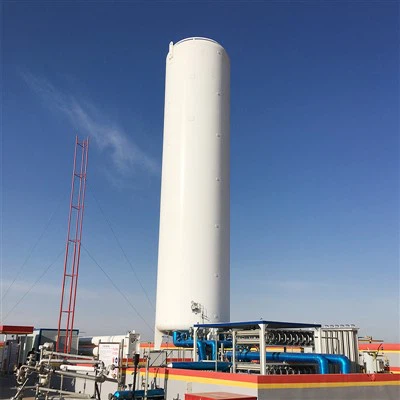
As a supplier of hydrogen dispensers, I've delved deep into the market to understand the most effective ways to promote our products. In this blog post, I'll share some key marketing strategies that can help boost the visibility and sales of hydrogen dispensers.
Understanding the Market Landscape
Before diving into marketing strategies, it's crucial to have a clear understanding of the market for hydrogen dispensers. The demand for hydrogen as a clean energy source is on the rise, driven by the global push towards decarbonization. Hydrogen fuel cell vehicles are becoming more prevalent, and the need for refueling infrastructure, including hydrogen dispensers, is growing accordingly.
However, the market is still in its nascent stage, with various challenges such as high costs, limited infrastructure, and regulatory uncertainties. As a supplier, we need to position our hydrogen dispensers as a reliable, efficient, and cost - effective solution to address these challenges.
Product Differentiation
One of the first steps in marketing hydrogen dispensers is to highlight their unique selling points. Our hydrogen dispensers are equipped with state - of the - art technology that ensures fast and safe refueling. For example, they have precise flow control systems that can accurately measure the amount of hydrogen dispensed, reducing waste and ensuring customer satisfaction.
In addition, our dispensers are designed with user - friendly interfaces, making them easy to operate for both station attendants and end - users. We also offer customization options, allowing us to tailor the dispensers to the specific needs of different customers, whether it's for a large - scale commercial hydrogen station or a smaller, private refueling facility.
Content Marketing
Content marketing is a powerful tool for educating potential customers about the benefits of hydrogen dispensers. We can create various types of content, such as blog posts, whitepapers, and case studies.
Blog Posts
Regular blog posts can cover a wide range of topics related to hydrogen dispensers. For instance, we can write about the latest technological advancements in hydrogen refueling, the environmental benefits of using hydrogen as a fuel, and how our dispensers can contribute to the development of a sustainable energy future. By sharing valuable information, we can establish ourselves as thought leaders in the industry and build trust with our audience.
Whitepapers
Whitepapers are more in - depth documents that provide detailed technical information about our hydrogen dispensers. They can include specifications, performance data, and comparisons with other products in the market. Whitepapers are often used by businesses and decision - makers during the research phase of their purchasing process. By offering high - quality whitepapers, we can demonstrate the superiority of our products and influence their purchasing decisions.
Case Studies
Case studies are real - world examples of how our hydrogen dispensers have been successfully implemented in different projects. We can showcase the challenges faced by our customers, the solutions provided by our dispensers, and the results achieved. Case studies are highly effective in building credibility and showing potential customers the practical benefits of our products.
Digital Marketing
In today's digital age, a strong online presence is essential for marketing hydrogen dispensers.
Search Engine Optimization (SEO)
SEO is the process of optimizing our website to rank higher in search engine results pages (SERPs). By using relevant keywords such as "Hydrogen Dispenser" [link to "Hydrogen Dispenser": "/hydrogen - station/hydrogen - dispenser.html"], we can increase the visibility of our website when potential customers search for hydrogen dispensers online. We also need to ensure that our website is mobile - friendly, has fast loading times, and provides a good user experience.
Pay - per - Click (PPC) Advertising
PPC advertising allows us to place ads on search engines and other websites. We only pay when someone clicks on our ad. This is a cost - effective way to drive targeted traffic to our website. We can target specific keywords, demographics, and locations to reach potential customers who are most likely to be interested in our hydrogen dispensers.
Social Media Marketing
Social media platforms such as LinkedIn, Twitter, and Facebook can be used to promote our hydrogen dispensers. We can share our content, engage with our audience, and build a community of hydrogen enthusiasts. For example, we can post updates about new product launches, share success stories, and participate in relevant industry discussions.
Industry Partnerships
Partnering with other companies in the hydrogen industry can significantly enhance our marketing efforts.
Partnerships with Hydrogen Producers
By partnering with hydrogen producers, we can ensure a stable supply of hydrogen for our customers. We can also collaborate on joint marketing campaigns to promote the use of hydrogen as an energy source and our hydrogen dispensers as a key part of the refueling infrastructure.
Partnerships with Vehicle Manufacturers
Partnering with hydrogen fuel cell vehicle manufacturers can create a symbiotic relationship. We can work together to develop and promote integrated solutions that make it easier for consumers to adopt hydrogen - powered vehicles. For example, we can offer special packages or incentives for vehicle owners to use our hydrogen dispensers.


Partnerships with Technology Providers
Collaborating with technology providers can help us stay at the forefront of innovation. For instance, we can partner with companies that develop [link to "VPSA for Oxygen": "/hydrogen - station/vpsa - for - oxygen.html"] or [link to "Sequence Control Panel": "/hydrogen - station/sequence - control - panel.html"] technologies to improve the performance and functionality of our hydrogen dispensers.
Trade Shows and Conferences
Participating in trade shows and conferences related to the hydrogen and clean energy industries is an excellent way to showcase our hydrogen dispensers. These events provide an opportunity to meet potential customers, partners, and industry experts face - to - face.
We can set up booths to demonstrate the features and benefits of our dispensers. We can also give presentations and participate in panel discussions to share our knowledge and expertise. Trade shows and conferences are also a great place to network and build relationships that can lead to future business opportunities.
Customer Testimonials and Referrals
Positive customer testimonials and referrals are powerful marketing tools. When existing customers are satisfied with our hydrogen dispensers, they are more likely to recommend us to others. We can collect testimonials from our customers and display them on our website, in our marketing materials, and at trade shows.
We can also implement a referral program that rewards customers for referring new business to us. This not only helps us acquire new customers but also strengthens our relationship with existing ones.
Conclusion
Marketing hydrogen dispensers requires a comprehensive approach that combines product differentiation, content marketing, digital marketing, industry partnerships, trade shows, and customer testimonials. By implementing these strategies effectively, we can increase the visibility and sales of our hydrogen dispensers and contribute to the growth of the hydrogen economy.
If you're interested in learning more about our hydrogen dispensers or exploring potential business opportunities, we invite you to reach out to us for a detailed discussion. We look forward to the possibility of working with you to drive the adoption of clean hydrogen energy.
References
- International Energy Agency. (2023). Hydrogen and Fuel Cells.
- Hydrogen Council. (2023). Path to Hydrogen Competitiveness: A Cost Perspective.
- Various industry reports and research papers related to hydrogen energy and refueling infrastructure.