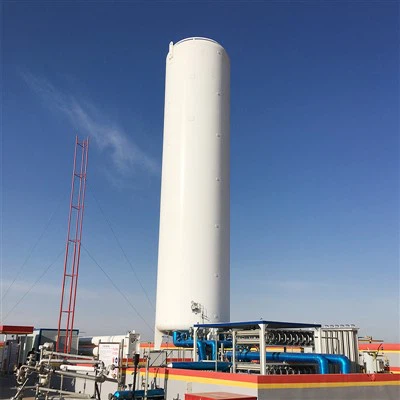
As a supplier of Hydrogen Dispensers, I understand the importance of ensuring that our products meet a wide range of standards. These standards are not only crucial for the safety and efficiency of hydrogen refueling operations but also for the broader acceptance and growth of the hydrogen economy. In this blog post, I will delve into the various standards that hydrogen dispensers need to meet, covering aspects such as safety, performance, and compatibility.
Safety Standards
Safety is the top priority when it comes to hydrogen dispensers. Hydrogen is a highly flammable gas, and any leakage or improper handling can lead to serious accidents. Therefore, hydrogen dispensers must comply with strict safety standards to prevent potential hazards.
One of the key safety standards is related to pressure containment. Hydrogen is typically stored and dispensed at high pressures, often up to 700 bar or more. The dispenser's components, including the hoses, valves, and connectors, must be designed and tested to withstand these high pressures without any leakage. For example, the hoses should be made of materials that are resistant to hydrogen permeation and have sufficient strength to prevent bursting under pressure.

Another important safety aspect is the prevention of hydrogen leakage. Hydrogen dispensers are equipped with multiple safety features to detect and prevent leaks. These features may include leak sensors, which can detect even small amounts of hydrogen in the air, and automatic shut - off valves that will close the dispenser in case of a leak. Additionally, the dispenser should be designed to minimize the risk of static electricity, which could potentially ignite the hydrogen gas.
Electrical safety is also a critical consideration. The dispenser's electrical components, such as the control panel and sensors, must be designed to prevent electrical sparks that could ignite the hydrogen. They should be properly grounded and protected against short - circuits and over - currents.
Performance Standards
In addition to safety, hydrogen dispensers must also meet certain performance standards to ensure efficient and reliable refueling operations.
One of the primary performance indicators is the refueling speed. Customers expect a hydrogen refueling process to be as quick as possible, similar to refueling a gasoline or diesel vehicle. Therefore, hydrogen dispensers are designed to deliver a high flow rate of hydrogen. The flow rate is typically measured in kilograms per minute, and modern dispensers can achieve flow rates of up to 1 kg/min or more, depending on the system's design and the pressure available.
Accuracy is another important performance standard. The dispenser must accurately measure the amount of hydrogen dispensed to the vehicle. This is crucial for billing purposes and to ensure that the customer is getting the correct amount of fuel. The measurement system should be calibrated regularly to maintain its accuracy. It typically uses flow meters and pressure sensors to calculate the mass of hydrogen transferred.
Temperature control is also a key performance factor. Hydrogen gas heats up during the compression and dispensing process. If the temperature of the hydrogen at the dispenser nozzle is too high, it can cause problems for the vehicle's fuel tank and may even damage the tank's components. Therefore, hydrogen dispensers are equipped with cooling systems to maintain the hydrogen temperature within an acceptable range, usually around - 40°C to 85°C.
Compatibility Standards
Hydrogen dispensers need to be compatible with different types of hydrogen - powered vehicles. There are various vehicle designs and fuel tank specifications in the market, and the dispenser must be able to work with them all.
One of the main compatibility issues is the connector type. Different vehicle manufacturers may use different connector designs for their hydrogen fuel tanks. To address this, international standards have been developed for hydrogen connectors. For example, the SAE J2601 standard in the United States and the ISO 17268 standard internationally define the specifications for hydrogen refueling connectors, ensuring that dispensers and vehicles can be connected safely and effectively.
The dispenser must also be compatible with the vehicle's onboard fuel management system. It should be able to communicate with the vehicle to determine the appropriate refueling parameters, such as the pressure and temperature requirements of the vehicle's fuel tank. This communication is typically achieved through a data link between the dispenser and the vehicle, which allows for a seamless and safe refueling process.
International and Regional Standards
Hydrogen dispensers are subject to a variety of international and regional standards. At the international level, organizations such as the International Organization for Standardization (ISO) and the International Electrotechnical Commission (IEC) have developed a series of standards for hydrogen energy systems, including hydrogen dispensers.
ISO standards cover a wide range of aspects, from safety and performance to compatibility. For example, ISO 19880 - 1 provides general requirements for hydrogen fueling stations, including the design and operation of hydrogen dispensers. ISO 19880 - 3 specifically focuses on the requirements for hydrogen dispensers, covering topics such as safety, performance, and testing methods.
Regional standards also play an important role. In the European Union, the ADR (Accord européen relatif au transport international des marchandises dangereuses par route) regulations govern the transportation and handling of dangerous goods, including hydrogen. These regulations have an impact on the design and operation of hydrogen dispensers, especially in terms of safety and transportation requirements.
In the United States, the National Fire Protection Association (NFPA) has developed standards such as NFPA 2, which provides guidelines for the safe storage and handling of hydrogen. The California Air Resources Board (CARB) also has specific regulations for hydrogen fueling stations, which include requirements for hydrogen dispensers.
Compatibility with Other Components in the Hydrogen Station
Hydrogen dispensers are just one part of a larger hydrogen refueling station. They need to be compatible with other components in the station, such as the Hydrogenation Column and the Sequence Control Panel.
The hydrogenation column is responsible for storing and supplying hydrogen to the dispenser. The dispenser must be able to receive hydrogen from the column at the appropriate pressure and flow rate. The connection between the dispenser and the hydrogenation column should be leak - proof and designed to handle the high - pressure hydrogen.
The sequence control panel is used to manage the overall operation of the hydrogen refueling station, including the dispenser. The dispenser should be able to communicate with the control panel to receive commands and send back status information. This communication ensures that the dispenser operates in a coordinated manner with the rest of the station, improving the overall efficiency and safety of the refueling process.
Environmental Standards
As the world moves towards a more sustainable future, hydrogen dispensers are also expected to meet certain environmental standards.
One of the main environmental considerations is the energy efficiency of the dispenser. The dispenser should be designed to minimize the energy consumption during the refueling process. This can be achieved through the use of efficient compressors, pumps, and cooling systems. By reducing energy consumption, the dispenser helps to lower the overall carbon footprint of the hydrogen refueling station.
Another environmental aspect is the reduction of emissions. Although hydrogen is a clean - burning fuel, the production and dispensing processes can still have some environmental impacts. For example, the energy used to compress and cool the hydrogen may come from non - renewable sources. Therefore, there is a push towards using renewable energy sources, such as solar or wind power, to operate the hydrogen dispensers.
Conclusion
In conclusion, hydrogen dispensers need to meet a comprehensive set of standards in terms of safety, performance, compatibility, and environmental impact. These standards are essential for the successful operation of hydrogen refueling stations and the widespread adoption of hydrogen - powered vehicles.
As a Hydrogen Dispenser supplier, we are committed to ensuring that our products meet all these standards. We continuously invest in research and development to improve the safety, performance, and compatibility of our dispensers. By doing so, we aim to provide our customers with high - quality, reliable, and efficient hydrogen refueling solutions.
If you are interested in purchasing a hydrogen dispenser for your refueling station or have any questions about our products, please feel free to contact us for a detailed discussion and negotiation. We look forward to working with you to build a sustainable hydrogen future.
References
- ISO 19880 - 1: Hydrogen fueling stations - Part 1: General requirements
- ISO 19880 - 3: Hydrogen fueling stations - Part 3: Hydrogen dispensers
- SAE J2601: Fueling Protocols for Light - Duty Gaseous Hydrogen Surface Vehicles
- NFPA 2: Hydrogen Technologies Code
- ADR (Accord européen relatif au transport international des marchandises dangereuses par route) regulations