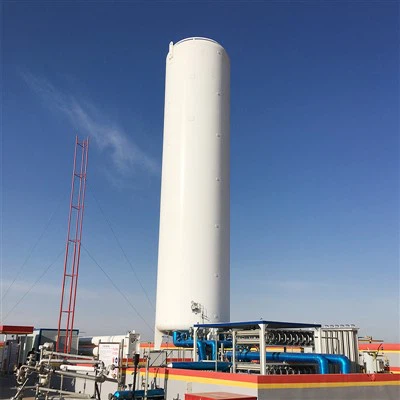
As a supplier of LNG vaporization stations, I often encounter inquiries regarding the insurance requirements for such facilities. LNG vaporization stations are complex and high - risk installations, and having the right insurance coverage is crucial for protecting the business, its assets, and the surrounding community. In this blog, I will delve into the key insurance requirements for an LNG vaporization station.


Property Insurance
Property insurance is the cornerstone of protecting an LNG vaporization station. This type of insurance covers the physical assets of the station, including buildings, storage tanks, LNG Vaporization Supercharger, Natural Gas Pressure Regulation and Metering Skid, and other LNG Vaporization Station Equipment.
The LNG vaporization process involves high - pressure systems and cryogenic temperatures. Any damage to the equipment can lead to significant disruptions in operations. For example, a malfunction in the vaporization supercharger can halt the conversion of LNG to natural gas, resulting in a loss of product and potential revenue. Property insurance can help cover the cost of repairing or replacing damaged equipment, reducing the financial burden on the station operator.
When obtaining property insurance for an LNG vaporization station, it is essential to ensure that the policy includes coverage for all potential perils. This may include fire, explosion, natural disasters such as earthquakes and floods, and damage caused by vandalism or terrorism. Additionally, the policy should account for the high - value and specialized nature of the equipment, providing adequate compensation in case of a total loss.
Business Interruption Insurance
Business interruption insurance is closely related to property insurance. While property insurance covers the physical damage to the station, business interruption insurance compensates for the loss of income that occurs as a result of a covered event.
An LNG vaporization station is a critical part of the natural gas supply chain. Any disruption in its operations can have far - reaching consequences. For instance, if a fire breaks out at the station and causes damage to the equipment, it may take weeks or even months to repair. During this time, the station will be unable to produce and sell natural gas, resulting in a significant loss of revenue.
Business interruption insurance can help cover the lost income, as well as ongoing expenses such as employee salaries, rent, and utilities. It can also provide funds for temporary relocation or alternative production methods if necessary. To ensure that the business interruption insurance policy is comprehensive, it is important to accurately estimate the potential loss of income based on historical data and future projections.
Liability Insurance
Liability insurance is another essential component of the insurance portfolio for an LNG vaporization station. This type of insurance protects the station operator against claims made by third parties for bodily injury or property damage.
LNG is a hazardous substance, and any accident at the vaporization station can pose a risk to the surrounding community. For example, a leak of LNG can lead to an explosion or fire, causing harm to nearby residents and businesses. Liability insurance can help cover the cost of legal defense, settlements, and judgments in case of a lawsuit.
There are different types of liability insurance that an LNG vaporization station may need. General liability insurance covers claims arising from everyday operations, such as slip - and - fall accidents on the station premises. Product liability insurance, on the other hand, is important if the station is involved in the production or distribution of natural gas. It can protect against claims related to the quality or safety of the product.
Environmental Liability Insurance
Given the nature of LNG and its potential impact on the environment, environmental liability insurance is a must for an LNG vaporization station. This type of insurance covers the cost of cleaning up pollution and environmental damage caused by the station's operations.
An LNG leak can contaminate soil, water, and air, posing a threat to the ecosystem. Environmental liability insurance can help cover the cost of environmental remediation, including the removal of contaminated soil, water treatment, and air quality monitoring. It can also provide protection against claims made by environmental groups or government agencies for damage to the environment.
When selecting an environmental liability insurance policy, it is important to consider the specific risks associated with the LNG vaporization process. This may include the potential for spills during transportation, storage, or vaporization. The policy should also cover the cost of legal defense in case of an environmental lawsuit.
Workers' Compensation Insurance
Workers' compensation insurance is required by law in most jurisdictions. It provides benefits to employees who are injured or become ill as a result of their work at the LNG vaporization station.
The work environment at an LNG vaporization station is hazardous, with employees exposed to high - pressure systems, cryogenic temperatures, and potentially toxic substances. Workers' compensation insurance can cover medical expenses, lost wages, and rehabilitation costs for injured employees. It also protects the employer from potential lawsuits by employees for work - related injuries.
To ensure that the workers' compensation insurance policy is appropriate for the LNG vaporization station, it is important to accurately assess the risks associated with the job. This may involve providing detailed information about the work processes, safety measures in place, and the training provided to employees.
Marine Insurance (if applicable)
If the LNG vaporization station is involved in the import or export of LNG via ships, marine insurance is necessary. Marine insurance covers the transportation of LNG from the production site to the vaporization station and from the station to the end - users.
LNG carriers are large vessels that transport LNG across the ocean. Any damage to the ship or the cargo can result in significant losses. Marine insurance can cover the cost of damage to the ship, the LNG cargo, and any liability claims that may arise during the transportation process.
When obtaining marine insurance, it is important to work with an experienced insurance broker who understands the unique risks associated with LNG transportation. The policy should include coverage for all stages of the journey, from loading at the production site to unloading at the destination.
Cyber Insurance
In today's digital age, cyber insurance is becoming increasingly important for LNG vaporization stations. These stations rely on sophisticated control systems and software to operate efficiently. Any cyber - attack on the station's IT infrastructure can disrupt operations, compromise sensitive data, and even pose a safety risk.
A cyber - attack on an LNG vaporization station could, for example, involve hackers gaining access to the control systems and manipulating the pressure or temperature settings. This could lead to a dangerous situation, such as an explosion or a leak. Cyber insurance can help cover the cost of responding to a cyber - attack, including the cost of forensic investigations, data recovery, and legal defense.
When considering cyber insurance, it is important to assess the station's cyber - security measures. Insurance providers will typically require evidence of strong security protocols, such as firewalls, encryption, and employee training on cyber - security best practices.
Conclusion
In conclusion, an LNG vaporization station requires a comprehensive insurance portfolio to protect against the various risks associated with its operations. Property insurance, business interruption insurance, liability insurance, environmental liability insurance, workers' compensation insurance, marine insurance (if applicable), and cyber insurance are all essential components.
As a supplier of LNG vaporization stations, I understand the importance of having the right insurance coverage. It not only protects the financial interests of the station operator but also ensures the safety and reliability of the natural gas supply. If you are in the process of setting up an LNG vaporization station or looking to review your existing insurance coverage, I encourage you to reach out to us. We can provide you with detailed information about the insurance requirements and help you find the most suitable insurance solutions for your needs. Contact us to start a procurement discussion and ensure that your LNG vaporization station is well - protected.
References
- Insurance Institute for Business & Home Safety. (2023). Guidelines for Insuring High - Risk Industrial Facilities.
- International Association of Insurance Supervisors. (2022). Risk - Based Insurance Regulation for Energy - Related Businesses.
- National Fire Protection Association. (2021). Safety Standards for LNG Vaporization Stations.