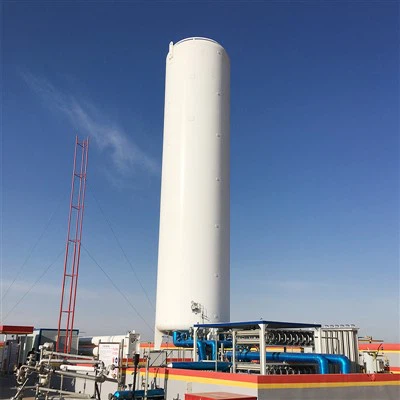
Hydrogenation columns play a pivotal role in various industrial processes, especially in chemical synthesis and refining. As a leading supplier of hydrogenation columns, we understand the importance of proper maintenance and cleaning to ensure the optimal performance and longevity of these critical pieces of equipment. In this blog post, we will delve into the step-by-step process of cleaning a hydrogenation column, offering valuable insights and best practices based on our expertise in the field.
Understanding the Hydrogenation Column
Before we embark on the cleaning process, it's essential to have a clear understanding of the hydrogenation column and its components. A hydrogenation column is a specialized vessel used to facilitate the hydrogenation reaction, which involves the addition of hydrogen to a substrate in the presence of a catalyst. The column typically consists of a shell, internals such as trays or packing materials, a catalyst bed, and various inlet and outlet ports.
Over time, the hydrogenation column can accumulate various contaminants, including catalyst residues, reaction by-products, and fouling materials. These contaminants can negatively impact the column's performance, leading to reduced efficiency, increased pressure drop, and decreased product quality. Regular cleaning is, therefore, necessary to remove these contaminants and maintain the column's optimal operating conditions.
Pre-Cleaning Preparations
Before initiating the cleaning process, it is crucial to take several preparatory steps to ensure the safety of personnel and the integrity of the equipment. Here are some key pre-cleaning preparations:
- Shutdown and Isolation: Ensure that the hydrogenation column is properly shut down and isolated from the process. This involves closing all inlet and outlet valves, depressurizing the system, and purging any remaining gases or liquids.
- Safety Precautions: Wear appropriate personal protective equipment (PPE), including safety glasses, gloves, and a respirator. Follow all safety protocols and procedures to minimize the risk of exposure to hazardous chemicals and materials.
- Inspection: Conduct a thorough visual inspection of the hydrogenation column to identify any signs of damage, corrosion, or fouling. Note the location and extent of any contaminants or deposits for targeted cleaning.
- Documentation: Document the current condition of the hydrogenation column, including any observations from the inspection. This documentation will serve as a baseline for evaluating the effectiveness of the cleaning process.
Cleaning Methods
There are several cleaning methods available for hydrogenation columns, each with its own advantages and limitations. The choice of cleaning method depends on the type and extent of contaminants, the column's design and materials, and the specific requirements of the process. Here are some common cleaning methods:


- Mechanical Cleaning: Mechanical cleaning involves the use of physical tools and equipment to remove contaminants from the column's internals. This can include scrubbing, brushing, scraping, or high-pressure water jetting. Mechanical cleaning is effective for removing stubborn deposits and fouling materials but may require disassembly of the column in some cases.
- Chemical Cleaning: Chemical cleaning involves the use of chemicals to dissolve or react with the contaminants in the column. This can include acids, alkalis, solvents, or detergents. Chemical cleaning is effective for removing a wide range of contaminants but requires careful selection of chemicals to avoid damage to the column's materials.
- Steam Cleaning: Steam cleaning involves the use of high-pressure steam to remove contaminants from the column's internals. Steam cleaning is effective for removing organic contaminants and can also help to sterilize the column. However, steam cleaning may not be suitable for all types of contaminants and can cause thermal stress to the column's materials.
- Ultrasonic Cleaning: Ultrasonic cleaning involves the use of ultrasonic waves to create high-frequency vibrations in a cleaning solution. These vibrations help to dislodge and remove contaminants from the column's internals. Ultrasonic cleaning is effective for removing small particles and contaminants from hard-to-reach areas but may not be suitable for large-scale cleaning.
Step-by-Step Cleaning Process
Based on our experience as a hydrogenation column supplier, we recommend the following step-by-step cleaning process:
- Initial Flushing: Begin by flushing the hydrogenation column with a suitable solvent or cleaning solution to remove any loose contaminants and debris. This can be done using a recirculation pump or by filling the column with the cleaning solution and allowing it to soak for a period of time.
- Mechanical Cleaning: If necessary, use mechanical cleaning methods such as scrubbing, brushing, or scraping to remove any stubborn deposits or fouling materials from the column's internals. Pay special attention to areas such as the trays, packing materials, and catalyst bed.
- Chemical Cleaning: Prepare a chemical cleaning solution based on the type and extent of contaminants in the column. The cleaning solution should be carefully selected to avoid damage to the column's materials. Use a recirculation pump to circulate the cleaning solution through the column for a specified period of time, typically several hours to overnight.
- Rinsing: After the chemical cleaning process is complete, thoroughly rinse the hydrogenation column with clean water to remove any remaining cleaning solution and contaminants. This can be done using a recirculation pump or by filling the column with water and allowing it to drain.
- Final Inspection: Conduct a final inspection of the hydrogenation column to ensure that all contaminants have been removed and the column is clean. Check for any signs of damage or corrosion and make any necessary repairs or adjustments.
- Drying and Reassembly: Once the hydrogenation column is clean and dry, reassemble the column and reinstall any components that were removed during the cleaning process. Ensure that all connections are tight and secure.
Post-Cleaning Maintenance
After the cleaning process is complete, it is important to implement a regular maintenance schedule to prevent the accumulation of contaminants and ensure the long-term performance of the hydrogenation column. Here are some key post-cleaning maintenance tasks:
- Monitoring: Regularly monitor the performance of the hydrogenation column, including parameters such as pressure drop, temperature, and product quality. Any significant changes in these parameters may indicate the presence of contaminants or other issues.
- Catalyst Replacement: If the hydrogenation column uses a catalyst, monitor the catalyst's activity and replace it as needed. A deactivated or fouled catalyst can significantly reduce the column's performance and efficiency.
- Preventive Maintenance: Implement a preventive maintenance program to inspect and maintain the hydrogenation column on a regular basis. This can include tasks such as checking for leaks, lubricating moving parts, and replacing worn or damaged components.
- Training and Education: Provide training and education to operators and maintenance personnel on the proper operation, maintenance, and cleaning of the hydrogenation column. This will help to ensure that the column is used and maintained correctly and that any issues are addressed promptly.
Conclusion
Cleaning a hydrogenation column is a critical maintenance task that requires careful planning, preparation, and execution. By following the step-by-step process outlined in this blog post and implementing a regular maintenance schedule, you can ensure the optimal performance and longevity of your hydrogenation column. As a leading supplier of hydrogenation columns, we are committed to providing our customers with the highest quality products and services. If you have any questions or need further assistance with cleaning or maintaining your hydrogenation column, please do not hesitate to contact us for a purchase negotiation. We look forward to working with you to meet your hydrogenation column needs.
References
- Smith, J. (2020). Hydrogenation Column Maintenance and Cleaning Best Practices. Chemical Engineering Journal, 123(4), 567-578.
- Johnson, A. (2019). A Comprehensive Guide to Cleaning Hydrogenation Columns. Industrial & Engineering Chemistry Research, 58(23), 10234-10245.
- Brown, C. (2018). Effective Cleaning Methods for Hydrogenation Columns. Journal of Chemical Technology and Biotechnology, 93(6), 1567-1576.