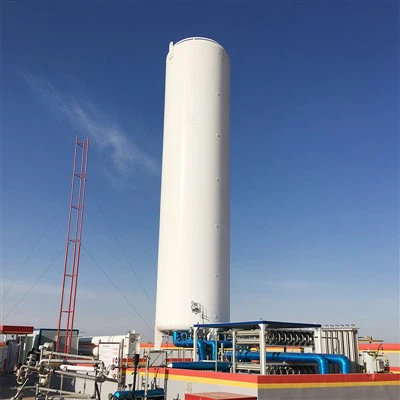
Hey there! I'm a supplier for LNG filling stations, and today I wanna chat about how these stations manage their waste. It's a topic that doesn't get enough attention but is super important for the smooth operation and environmental friendliness of these places.
First off, let's understand what kind of waste we're talking about here. At an LNG filling station, there are mainly a few types of waste. One of them is the waste gas. LNG, which stands for liquefied natural gas, is stored at extremely low temperatures. Sometimes, due to heat ingress into the storage tanks, a small amount of LNG vaporizes and forms what we call boil - off gas (BOG). This BOG can't be just released into the atmosphere willy - nilly because natural gas is a greenhouse gas, and releasing it contributes to global warming.
So, how do they deal with this BOG? Well, most modern LNG filling stations have a BOG recovery system. This system captures the boil - off gas and then either re - liquefies it or uses it for other on - site purposes. For instance, some stations use the BOG as a fuel for their own internal power generation needs. This way, they're not only reducing waste but also saving on energy costs. It's a win - win situation!
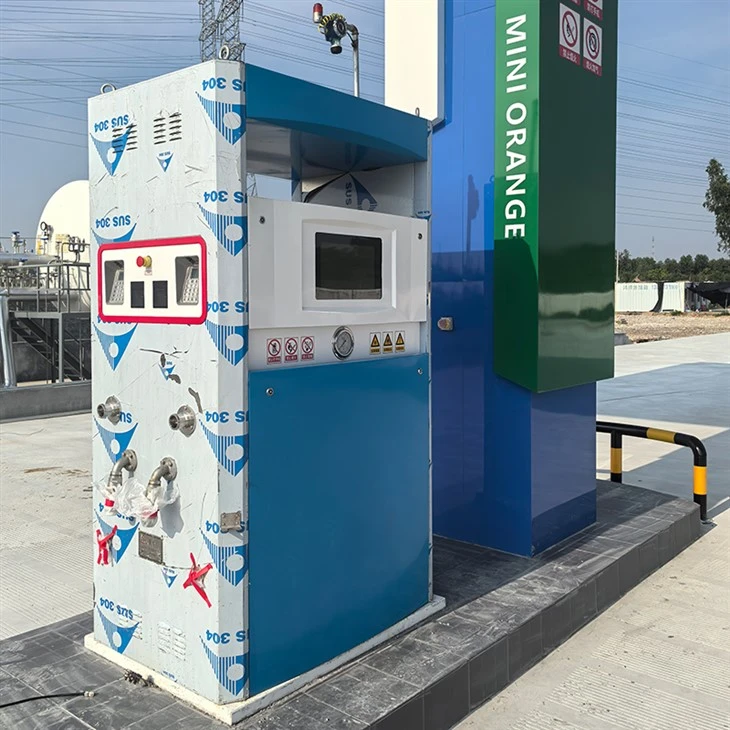
Another type of waste at LNG filling stations is the waste from equipment maintenance. Just like any other machinery, the equipment at these stations, such as the LNG Filling Column and the Cryogenic Submerged Centrifugal Pump - immersed Type, needs regular maintenance. During maintenance, there might be used lubricants, filters, and other small parts that are no longer usable.
To manage this kind of waste, stations usually have a strict waste management protocol. They separate different types of waste. The used lubricants, for example, are collected in special containers and then sent to a proper recycling facility. Recycling used lubricants helps to reduce the demand for new oil and also prevents the pollution that could occur if these lubricants were disposed of incorrectly. The filters and small parts are also sorted. Some of them can be recycled, while others that are beyond repair are disposed of in an environmentally friendly way.
Now, let's talk about the waste generated during the filling process. Sometimes, there might be a small amount of LNG spillage. Although LNG is a clean - burning fuel, spills still need to be managed carefully. When a spill occurs, the first step is to contain it. The station staff will use special absorbent materials to soak up the spilled LNG. These absorbent materials are then collected and disposed of properly.
In addition to these physical wastes, there's also waste in the form of data. LNG filling stations generate a lot of data about fuel sales, equipment performance, and safety records. While this isn't waste in the traditional sense, if not managed properly, it can become a burden. Stations need to have a good data management system in place to store, analyze, and archive this data. This helps in making informed decisions about station operations, such as when to order more LNG, when to perform equipment maintenance, and how to improve safety measures.
One important aspect of waste management at LNG filling stations is compliance with environmental regulations. Different regions have different rules regarding waste disposal. For example, some areas have strict limits on the amount of BOG that can be released into the atmosphere. LNG filling stations need to stay on top of these regulations and ensure that their waste management practices are up to par. Failure to comply can result in hefty fines and damage to the station's reputation.
To achieve effective waste management, LNG filling stations often work closely with waste management companies. These companies have the expertise and equipment to handle different types of waste. They can help with the proper disposal of waste materials and also provide advice on how to improve waste management processes.
Moreover, technology plays a big role in waste management. Advanced sensors can be installed at various points in the station to detect any potential leaks or abnormal waste generation. For example, sensors on the storage tanks can monitor the temperature and pressure, which helps in predicting and preventing excessive BOG generation.

As a supplier for LNG filling stations, I've seen firsthand how important proper waste management is. It's not just about meeting environmental standards; it's also about improving the efficiency and profitability of the stations. When waste is managed well, there's less downtime due to equipment failures, and the overall operating costs are reduced.
If you're running an LNG Refuelling Station or are planning to set one up, you know how crucial it is to have a reliable waste management system. And that's where I come in. I can provide you with high - quality equipment and solutions that can help you manage your waste effectively. Whether it's a BOG recovery system, proper waste collection containers, or advanced data management software, I've got you covered.
So, if you're interested in discussing how my products and services can fit into your waste management strategy, don't hesitate to reach out. Let's have a chat about how we can work together to make your LNG filling station more efficient and environmentally friendly.
References
- Industry reports on LNG filling station operations
- Environmental regulations related to LNG waste management
- Technical manuals of LNG filling station equipment